November 5, 2026
Culture change work doesn’t happen in a grant cycle
by Fatima Sadaf Saied
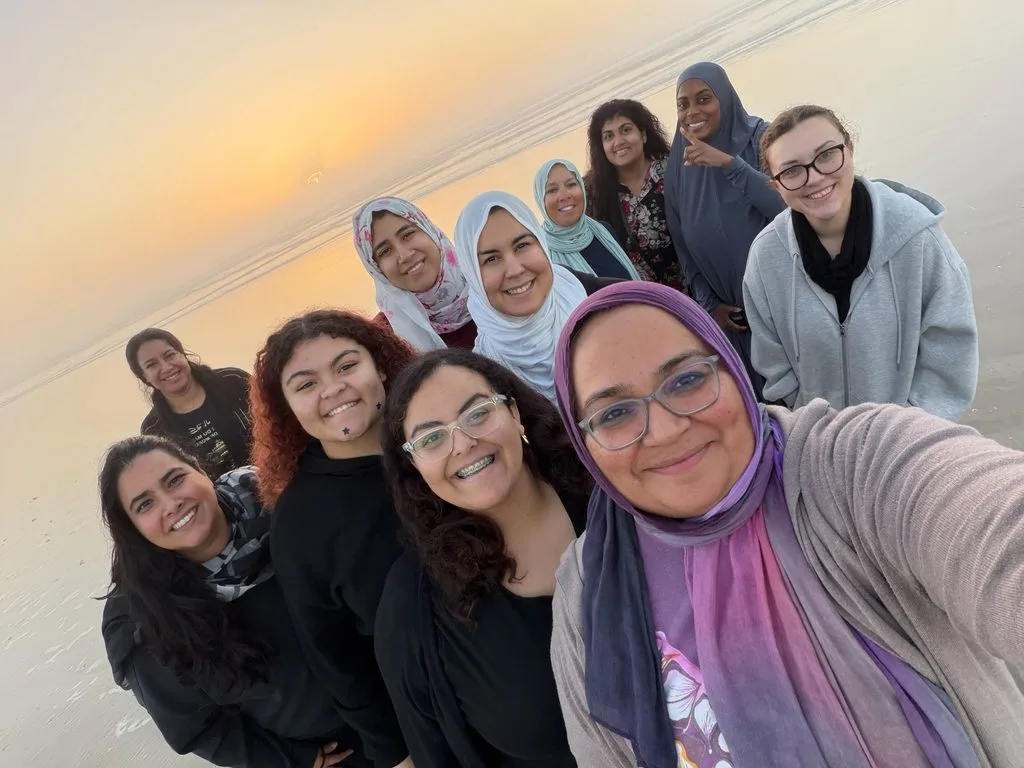
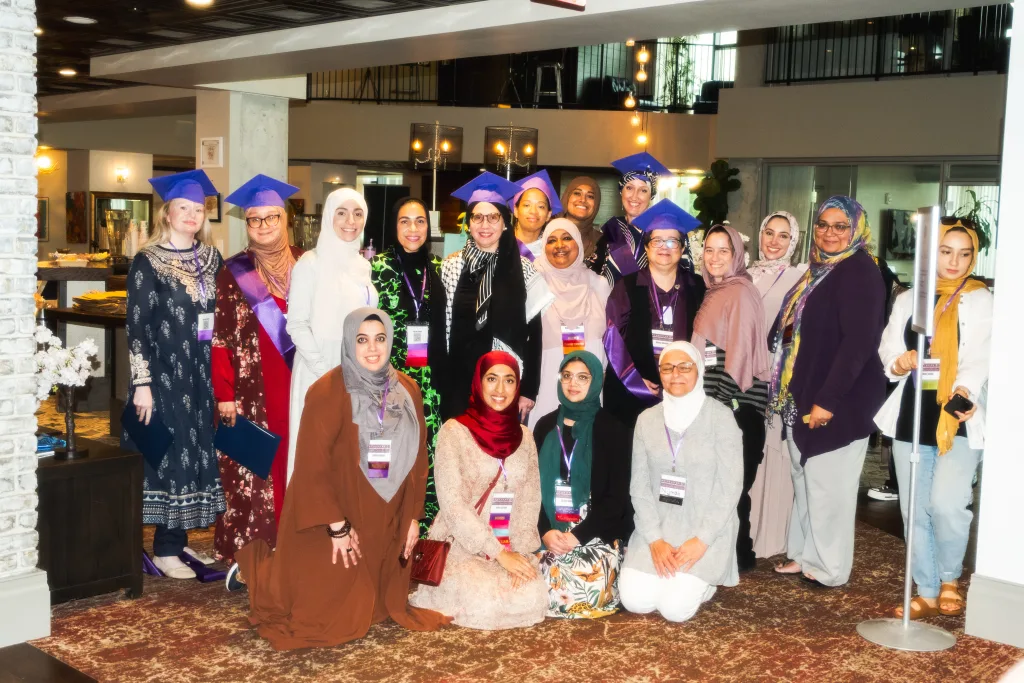
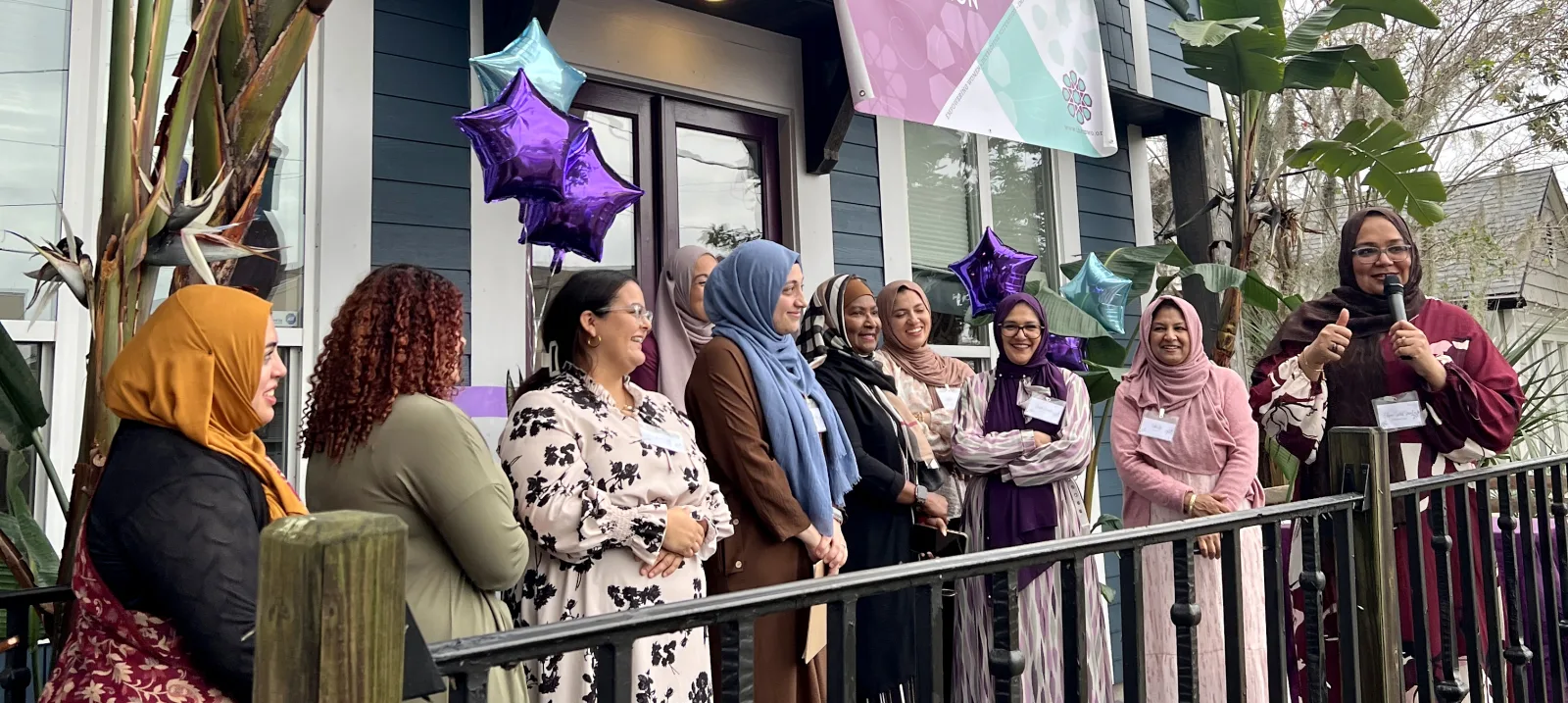
Ms. Foundation is proud to support our grantee partners, who are at the forefront of organizing and creating solutions that improve people’s lives and bring us closer to achieving a true democracy. The insight and perspective they provide is invaluable. This spotlight Q&A interview with Muslim Women’s Organization’s Executive Director Fatima Sadaf Saied has been edited for length and clarity. Muslim Women’s Organization (MWO) cultivates spaces of belonging, both online and in person, where Muslim women can connect, grow, and thrive. Through a compassionate community where women feel seen, heard, and included, the organization empowers Muslim women to be uplifted, influential, and fully actualized in every space they enter. MWO is a Safety, Health, and Economic (SHE) initiative grantee partner. What brought you to this work? When we started Muslim Women’s Organization, we recognized how rare it was to find spaces where Muslim women could truly feel seen, heard, and included. Especially in Florida, everyday life and sometimes even our own religious spaces can leave us feeling othered, unheard, or unsafe. With this in mind, we create spaces where women can come together, talk openly about everything from health and reproductive care to safety and leadership, and know they are not alone. We’ve also created a physical space, our Haven for Upliftment and Belonging (the HUB) where women can gather, find support, build leadership skills, and experience the sense of community and belonging that is at the heart of everything we do. How do you connect/collaborate in your community? Who are your key partners? We lead women’s safety programs and run a Women’s Health Task Force, which provides a place to have conversations about reproductive health, periods, cancer, and other topics that are often considered culturally taboo. One of our core initiatives is our Hakima Program. Hakima means “wise woman.” We identified the women already serving their communities — the aunties, volunteers, and program leaders — and trained them to provide compassionate support, listen without judgment, and connect women with resources. Our work is deeply partnership-driven, and we collaborate with organizations both nationally and locally. Nationally, we’ve worked with organizations like HEART for Women and Girls since 2019 to bring training to college campuses in Orlando on how to respond to sexual violence. We’ve also partnered with organizations like HEART and Peaceful Families Project to bring expertise on gender-based violence to our community and train local leaders to prevent and respond to violence. Much of this work, including our domestic violence education initiatives and Hakima Program, has been supported through community development grants from Islamic Relief USA. Locally, we partner with many Muslim organizations, social service providers, and government agencies. One of our most important efforts has been creating the Muslim Women’s Safety Coalition, where we brought organizations together to map available resources and better understand who provides what services. Instead of duplicating work, we can now make informed referrals and connect women to the right support. Is there anything that you are learning or teaching that you’d like to talk about? One of the biggest things I’ve learned is that Muslim women — and women in general — are incredibly open to partnering and supporting one another. Many of us have been working together for years, dating back to the Women’s March in 2016, when we began organizing women’s leadership huddles. Bringing women leaders together to talk about their work became the catalyst for many of the collaborations and relationships that followed. That collaborative spirit continues today. Through our local partnerships, we’ve organized town halls, summits, and community gatherings. This year, we’re hosting a series of town halls where each partner organization creates space for women to speak directly with its leadership. Each gathering focuses on a different theme, with the goal of making sure women’s voices are heard and helping leaders better understand what women are experiencing and how they can respond to those needs. Tell us about a recent victory or something you’re proud of. One of the things I’m most proud of is graduating the first cohort of women to complete all five units of our semester-based Hakima training program. Eight women, including participants from Seattle and Detroit, completed the training and are now prepared to serve as compassionate listeners and support people in their own communities. That milestone also allows us to launch an online support network where women across the country can connect with a trained Hakima whenever they need someone to talk to and don’t want to feel alone. It’s exciting not only because more women have completed the program, but because it allows us to expand this work and make that support available nationally. What can philanthropy do better? I’ve been thinking a lot about this because I’m currently pursuing a doctorate in philanthropic leadership, and my own experience as a nonprofit leader has reinforced what the research shows. One of the things that really resonated with me was Ms. Foundation’s Pocket Change report, along with research from the Women’s Philanthropy Institute, which highlighted just how underfunded women-led and women-serving organizations are despite the incredible amount of work they do. The system wasn’t designed with organizations like ours in mind. Culture change work doesn’t happen in a grant cycle. As a small, Muslim women-led organization, it’s often felt like we have to spend as much time learning how to navigate philanthropy as we do serving our community. That’s why trust-based philanthropy has been so meaningful. Our relationship with Ms. Foundation has been different because we’ve been able to have honest conversations about our work and feel that it is understood and valued. Instead of focusing only on metrics, there’s an emphasis on trust, partnership, and recognizing the expertise that already exists within communities. I had a similar experience with our very first grant from the Contigo Fund after the 2016 Pulse tragedy. We had never written a grant application before, and when we submitted our budget, the program officers didn’t reject it. Instead, they showed us how to do it correctly and encouraged us to try again. That kind of support made all the difference. It wasn’t about expecting perfection, it was about helping us grow. What advice would you give to someone who wants to support this work but isn’t sure where to begin? I would say that every form of support matters. We are incredibly grateful whether someone is able to give their time, their expertise, or financial support. So much of our work is powered by volunteers, and every contribution helps us continue creating spaces where Muslim women can feel safe, seen, and supported. At the same time, I hope people understand the challenges organizations like ours are facing. Especially in Florida, there’s real concern that our identity could put our funding or even our tax-exempt status at risk. I hope supporters recognize the value of this work and continue to stand with organizations like ours, even when doing so requires courage. For people who want to start similar work in their own communities, my biggest piece of advice is simple: reach out. We regularly hear from women around the country who want to create organizations like ours, and I believe in sharing everything we’ve learned. I don’t think I own this knowledge. If someone needs sample bylaws, a budget template, or advice on where to begin, I’m happy to share it. When we were starting out, so much of that information was difficult to find, and we had to learn through trial and error. If we can make that path easier for someone else, that’s exactly what we want to do. Our goal isn’t just to build one organization—it’s to help more communities create spaces where women can belong.