
October 13, 2026
Birth Justice = Community Justice
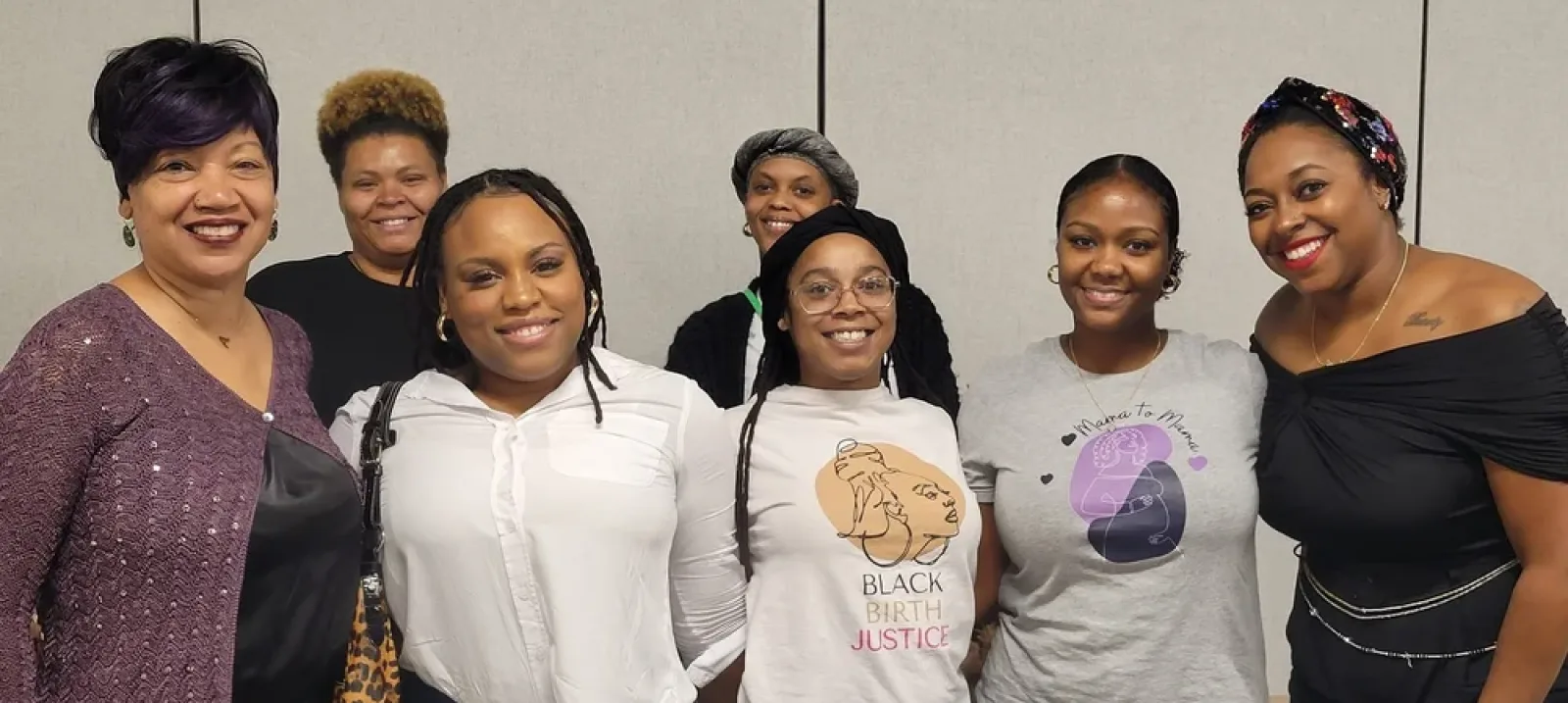
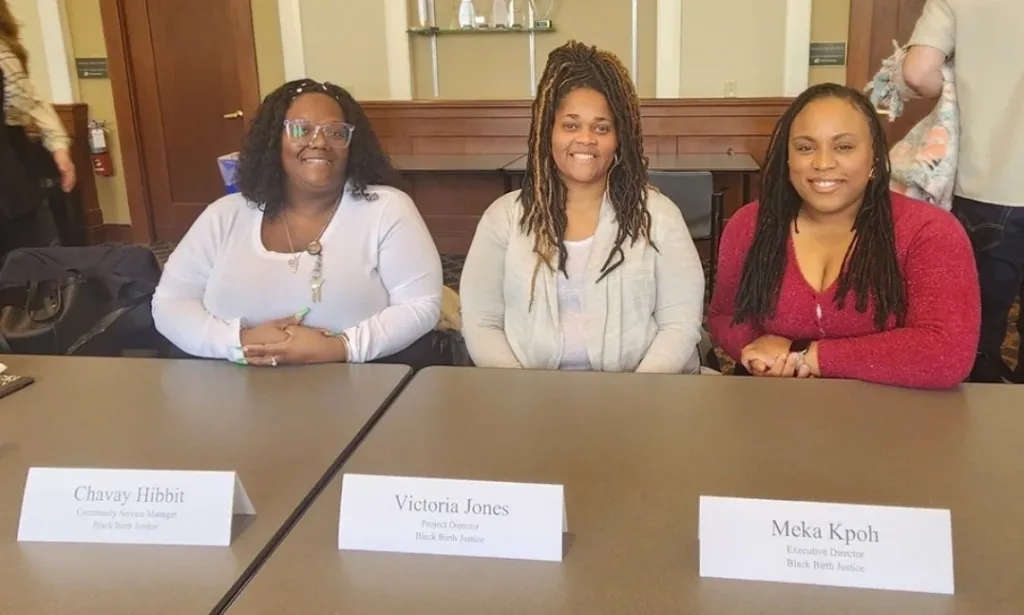
Ms. Foundation is proud to support our grantee partners, who are at the forefront of organizing and creating solutions that improve people’s lives and bring us closer to achieving a true democracy. The insight and perspective they provide is invaluable. This spotlight is a Q&A with Black Birth Justice Executive Director, Founder, and Midwife Meka Kpoh.
Black Birth Justice is advocating for maternal health rights and providing superior support for postpartum persons in order to combat the maternal and infant mortality rate. They aim to protect the birthing people of the Black community with integrity, compassion and boldness. Black Birth Justice is a Ms. South grantee partner.
What brought you to this work?
Black Birth Justice was birthed out of a deep awareness that Black families deserve more than survival in pregnancy and birth — they deserve care, dignity, and justice. After years of witnessing how often Black women were unheard, dismissed, and left to navigate pregnancy and postpartum without the support they deserved, it became clear that the maternal health crisis was not about individual choices, but about systems that have failed Black families for generations.
As my journey in birth work, midwifery, and community leadership continued, it became clear that supporting one family at a time was not enough. I needed to establish an organization committed to transforming the systems surrounding birth while creating spaces where Black families could experience joy, dignity, and culturally affirming care. Black Birth Justice’s mission is not only to reduce maternal and infant mortality, but to reimagine what thriving looks like for Black families. Every program we build is rooted in the belief that birth justice is racial justice, economic justice, and community justice.
How do you connect/collaborate in your community? Who are your key partners?
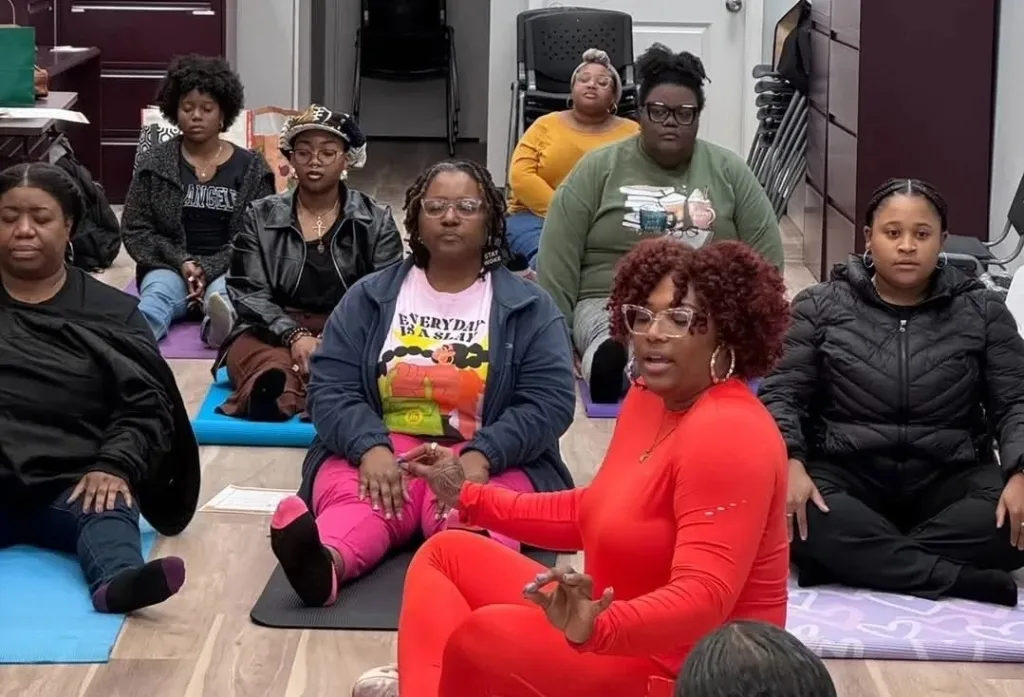
Community is our greatest strength. We don’t believe in working in isolation — we believe in building ecosystems of care. We partner with hospitals, federally qualified health centers, public health agencies, community organizations, doulas, midwives, researchers, and families themselves.
Many of the families we serve are connected to us through trusted referrals, and our partnerships allow us to provide wraparound support that extends far beyond birth. Together, we offer postpartum doula care, health education, maternal health navigation, father engagement, community baby showers, and connections to essential resources.
This work is guided by listening first. We collaborate with the people most impacted by maternal health inequities because they are the experts in their own lives. That approach has allowed us to build trust and create programs that truly reflect the needs of our community.
What are you learning or what are you teaching?
Our community teaches me every day. One of the biggest lessons I’ve learned is that healing happens in the community. Families don’t just need services — they need relationships, belonging, and people who see their humanity. They continue to show us what resilience, love, and collective care look like, and those lessons shape every decision we make.
We’re also teaching that birth justice requires all of us. Through free doula training, advocacy, and community education, we’re helping shift the conversation from simply surviving pregnancy to creating conditions where Black families can thrive before, during, and long after birth.
Tell us about a recent victory or something you’re proud of.
I am proud of how much our organization has grown while staying rooted in our mission. What began as a grassroots vision has grown into a community-based organization serving hundreds of families with culturally responsive maternal health services.
One recent milestone that means a great deal is expanding our work beyond Kentucky, through partnerships in West Africa, helping to strengthen maternal health connections across the African diaspora. At the same time, we’ve continued investing locally by training doulas for free, supporting postpartum families, and advocating for equitable maternal health policies.
Our greatest victory, however, isn’t measured by organizational growth. It’s hearing a mother say, “I finally felt seen,” or knowing a family felt supported during one of the most vulnerable moments of their lives. Those moments remind me why this work matters.
How can individuals be helpful allies?
For individuals, being an ally starts with listening. Support Black-led organizations. Advocate for policies that improve maternal health outcomes. Amplify community voices. Recognize that birth justice affects all of us.
Healthy pregnancies, healthy babies, and healthy families strengthen entire communities.
What gives you hope?
Hope lives in the people. Every day I see doulas showing up with compassion, fathers becoming more engaged, mothers advocating for themselves, and communities refusing to accept inequitable outcomes as inevitable.
We also find hope in the next generation of birth workers who are leading with courage, cultural humility, and innovation. They remind us that this movement is bigger than any one organization.
Despite the challenges, I believe we’re building something lasting — a future where Black families not only survive childbirth, but experience it with dignity, safety, joy, and abundant support. That’s the future we’re working toward every single day.