August 19, 2026
Joy is Strategy. Joy is Resistance.
by Chanceé Lundy
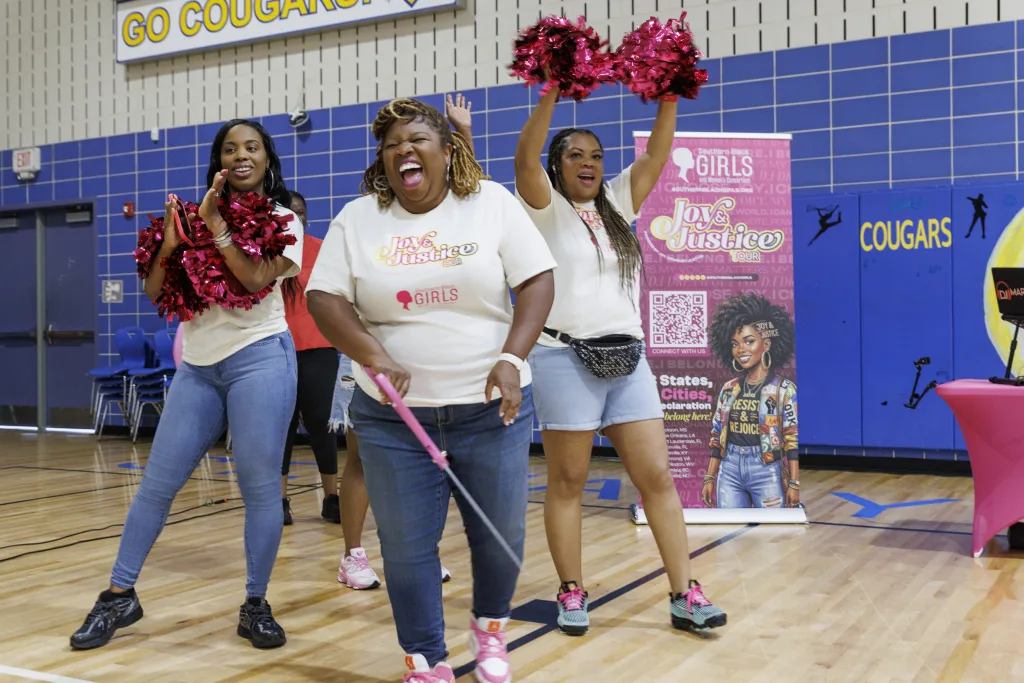
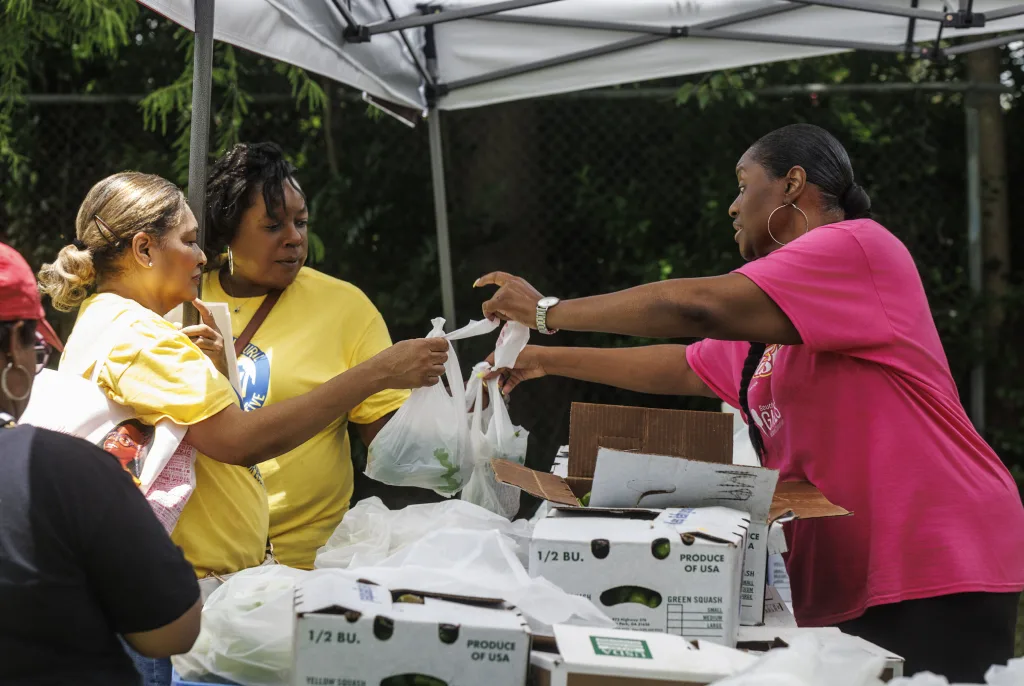
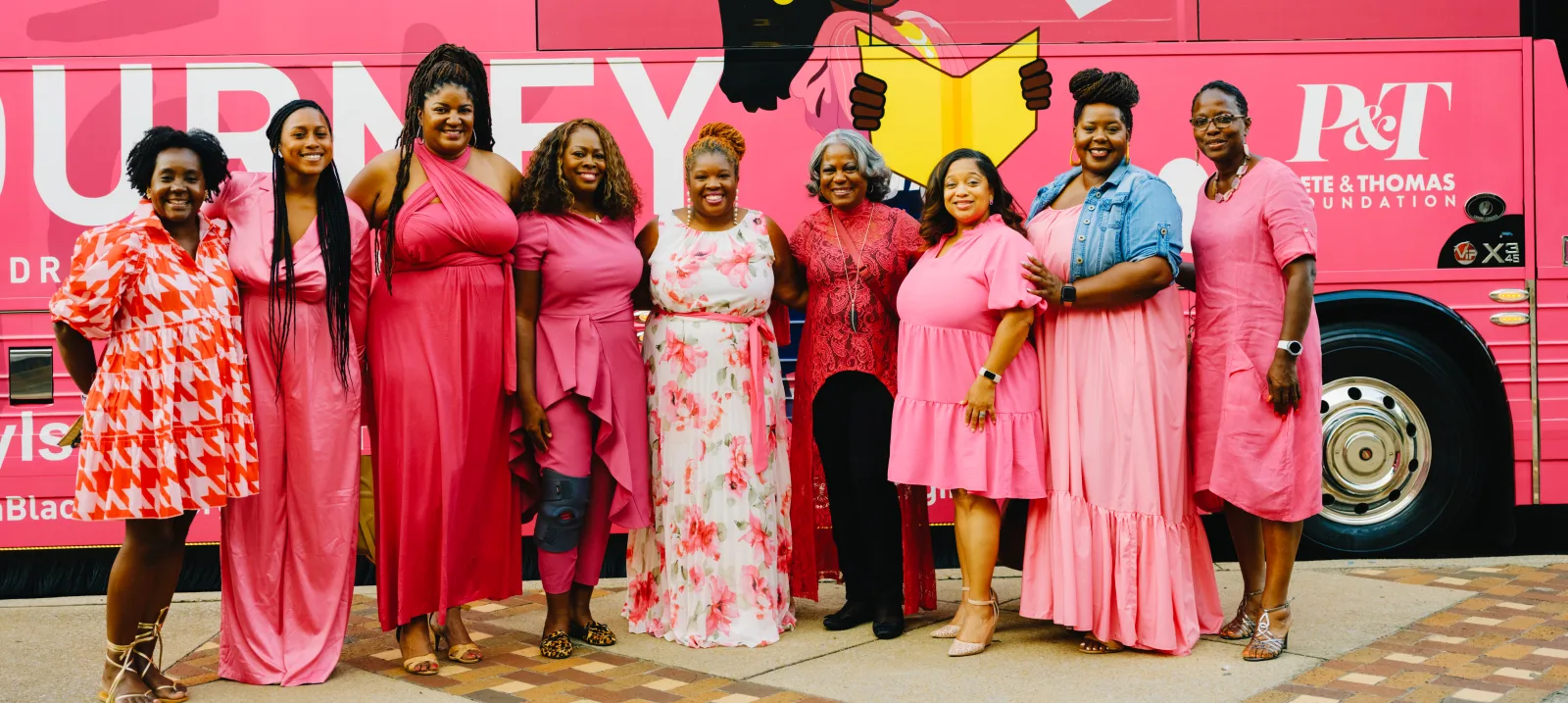
Ms. Foundation is proud to support our grantee partners, who are at the forefront of organizing and creating solutions that improve people’s lives and bring us closer to achieving a true democracy. The insight and perspective they provide is invaluable. This spotlight is a Q&A with Southern Black Girls and Women’s Consortium Executive Director Chanceé Lundy. The Southern Black Girls and Women’s Consortium works to transform the lives of Black girls and women across the South by investing in their ideas, leadership, and dreams. Through grantmaking, youth programs, and community partnerships, the organization channels resources to historically underfunded communities while advancing joy, equity, and opportunity for the next generation. They are a Building Connections grantee partner. What brought you to this work? I’m that girl. You know, the one who could have easily been written off by my socioeconomic circumstances and fit the criteria for being “at risk.” Growing up, in Selma, Alabama in the ‘80s and ‘90s, there weren’t many resources for youth living in rural areas, but there were women who took it upon themselves to invest in me. These were women deeply engaged in liberation, like Faya Touré (formerly known as Rose Sanders), founder of 21st Century Youth Leadership Movement, and LaTosha Brown, who was leading youth work at the time, and went on to co-found Black Voters Matter. Because of their commitment, I’m a beneficiary of the types of organizations that Southern Black Girls provides funding and capacity building to. The mentorship, the access, the people who saw something in me before I could see it in myself — that is what shaped my trajectory. I went on to become an environmental engineer and co-own a firm for more than a decade, and lead the National Society of Black Engineers—and every step was made possible because someone invested in a young Black girl from the South. When LaTosha and the co-founders built Southern Black Girls and Women’s Consortium in 2017 to channel resources to Black women-led organizations across 13 Southern states, the work was already personal to me. Stepping into the Executive Director role in January 2025 was a full-circle moment. How do you connect and collaborate in your community? Who are your key partners? Our work is rooted in a regional ecosystem across 13 Southern states. We are in deep partnership with more than 250 grantee organizations: from Saul’s Light, in New Orleans, which is advocating for Black NICU mothers; to Soul Reborn, in Dallas, Texas, which is transforming the lives of disadvantaged and disenfranchised previously incarcerated women; to Every Black Girl, in Columbia, South Carolina, which is addressing the conditions that lead to girls being pushed out of schools. Our engagement team is in constant relationship with movement partners on the ground in every state we serve. That posture matters. It allows us to trust their work, enabling greater flexibility in funding. We listen, we convene, and we follow the leadership of the women and girls most impacted. This year we are amplifying that model through the Joy and Justice Tour 2026, a festival-style movement touching down in nine cities across the South, bringing resources, wellness, and joy directly to communities. What are you learning or what are you teaching? We are learning that the funding gap, which shows that Black women and girls receive less than one percent of the South’s $4.8 billion in philanthropic investments, has not closed. The need is even more urgent. We are also learning—from our own listening sessions and from grantee partners—that the priorities of Black girls have shifted since the pandemic. They often discuss the need for better access to mental health support, the need for economic stability, and the desire to have stronger relationships with each other. We are recommitting to research and listening so the areas we fund reflect what girls are actually telling us they need. What we teach, and what we model, is that joy is not a luxury. Joy is strategy. Joy is resistance. We teach that participatory grantmaking, trust-based philanthropy, and general operating support are not radical ideas, they are the baseline. We teach that when you invest in Black women-led organizations, entire communities rise. Tell us about a recent victory or something you are proud of. In 2025, when federal funding slowed, and many philanthropic institutions paused, we increased our giving. We funded more than 60 organizations, invested over a million dollars across the region, and launched the Black Girls Defense Fund to center protection and rapid response for Black girls and women facing urgent threats. We expanded our team, deepened our Global South work by building a coalition of Black women from the U.S. South, Africa, Latin America, and the Caribbean to build solidarity and advocate for investment in issues that impact all of us, and did the opposite of pulling back. What can philanthropy do better, and how can individuals be helpful allies? Philanthropy can move money faster, and with fewer strings, to the leaders closest to the ground. That means multi-year, general operating support, not project-restricted grants that disappear before the work is done. It means trusting Black women-led organizations to know what their communities need. It means closing the distance between what philanthropy says it values and where the dollars actually land. Individuals can be helpful allies by becoming monthly sustainers, by amplifying the work of Southern Black women-led organizations in their own networks, and by showing up. Come to a Joy and Justice Tour stop. Share a grantee partner’s story. Make a gift in honor of a Black girl in your life. Every act of solidarity counts, and every dollar reaches communities that have been overlooked for far too long. What gives you hope? The girls and the grantee partners. Always. When I meet young leaders—like twins Brooke and Breanna Bennett, who, at age 12, co-founded Women In Training to address period poverty, or Milan Waller, a ninth grader making golf accessible to Black girls in Atlanta, or our Youth Ambassador Destiny Burse, from the Mississippi Delta, who has started her own organization, Resilient Mindz, focused on mental health and wellness—I am reminded that the future is already here, and it is brilliant. The dreams of Black girls and femme-identifying youth have always been the engine of Southern transformation. My job is to make sure those dreams have the resources to take flight.